Chapter One
Who I Am & Why I Do This
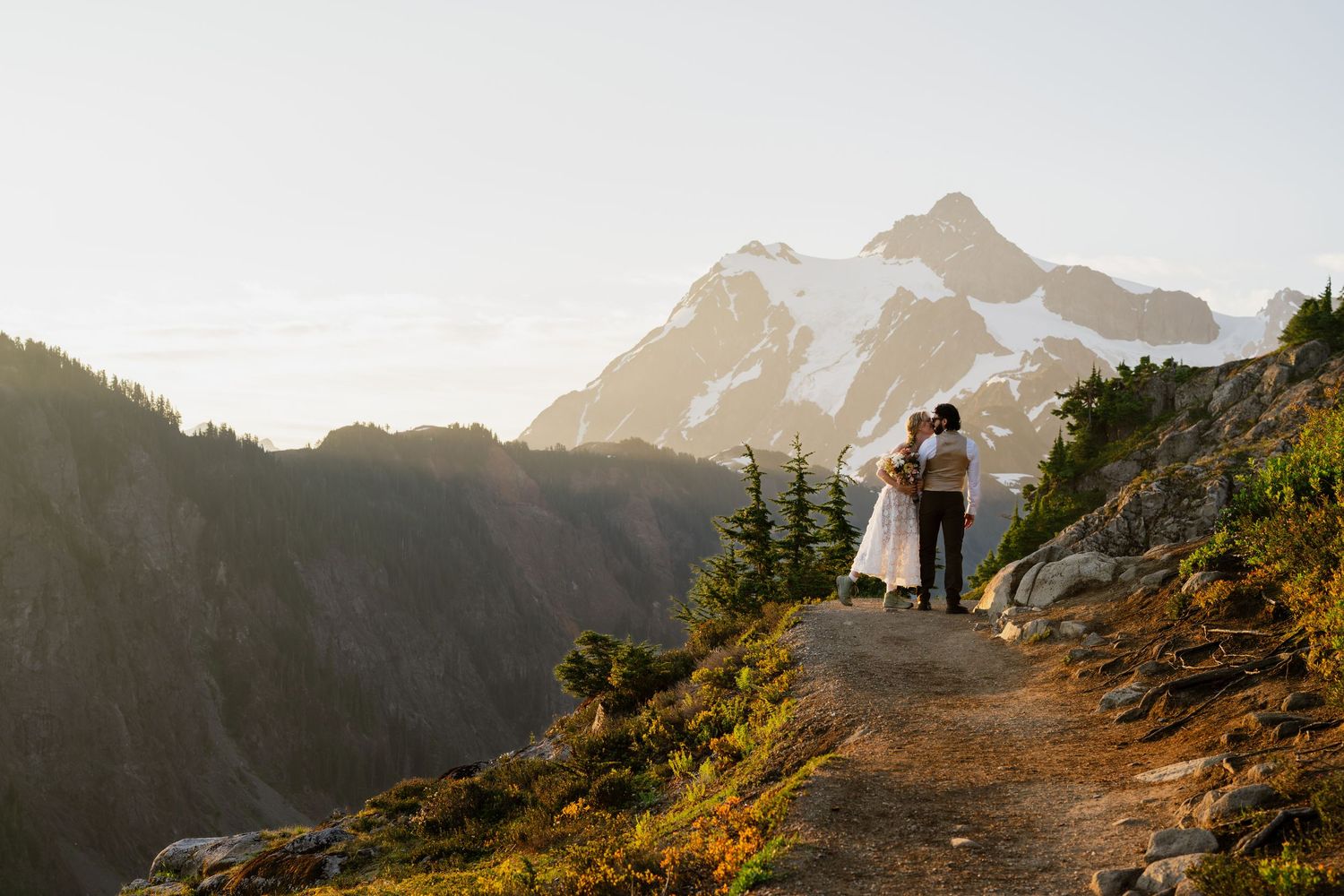
Hi, I’m Katie — the heart, hands, and eyes behind Mossy Mountain Photography.
In 2021, I packed up my life in Texas and moved to the Pacific Northwest chasing a dream I couldn’t ignore. I craved mountains wrapped in clouds, forests that feel alive, and rugged coastlines that make you breathe a little deeper. The PNW has always spoken to me in a way nothing else has. My favorite color has always been green… so honestly, it feels a bit like fate that I ended up here, immersed in every shade of it.
A HOPELESS ROMANTIC FROM THE START
If I’m being honest, I’ve been romanticizing love since the moment I learned what daydreaming was. I planned my wedding thousands of times as a kid (to every unrealistic childhood crush), wrote cringe-worthy love poems starting at age ten, and fully believed in fairytales long before I understood what love actually meant.
Then came Tumblr — the era that changed everything for me. It was the first platform that showed me what visual poetry looked like. Instagram back then was all selfies and brunch photos, but Tumblr… Tumblr made me feel things. It taught me that imagery can hold emotion, story, longing, tenderness.
Looking back, I’m genuinely grateful for that chapter. I’m an extremely visual and empathetic person, and photography became the bridge between the way I feel and the way I create. I don’t consider myself just a photographer. I consider myself a visual poet — and your photos should be so much more than smiling at a camera. They should hold meaning. Movement. Mood. Connection.
Why I Love This Work
Photography has brought some of the most incredible people into my life — clients who often become genuine friends. I truly attract the most aligned, heartfelt couples, and it feels like fate every time. Maybe it is fate. Or maybe that’s just the hopeless romantic in me again.
But enough about me.
Let’s talk about you.
Why You’re Choosing to Elope
Every couple has their own reason for choosing an elopement, and that reason is always beautifully personal.
Maybe you want:
- A day that feels low-key, intentional, and free of pressure
- A chance to express your love without dozens of eyes on you
- A space where you can be fully yourselves
- An experience surrounded by landscapes that your hometown could never offer
- A day built around presence, emotion, and adventure
Whatever your reason is — it’s valid, it’s meaningful, and it’s yours.
And the PNW is the perfect canvas for it.
Whether your vision is exchanging vows beneath towering evergreens or standing on a glowing mountaintop at sunset, I’m here to help you plan a day that feels stress-free, deeply emotional, and beautifully you.
Timelines
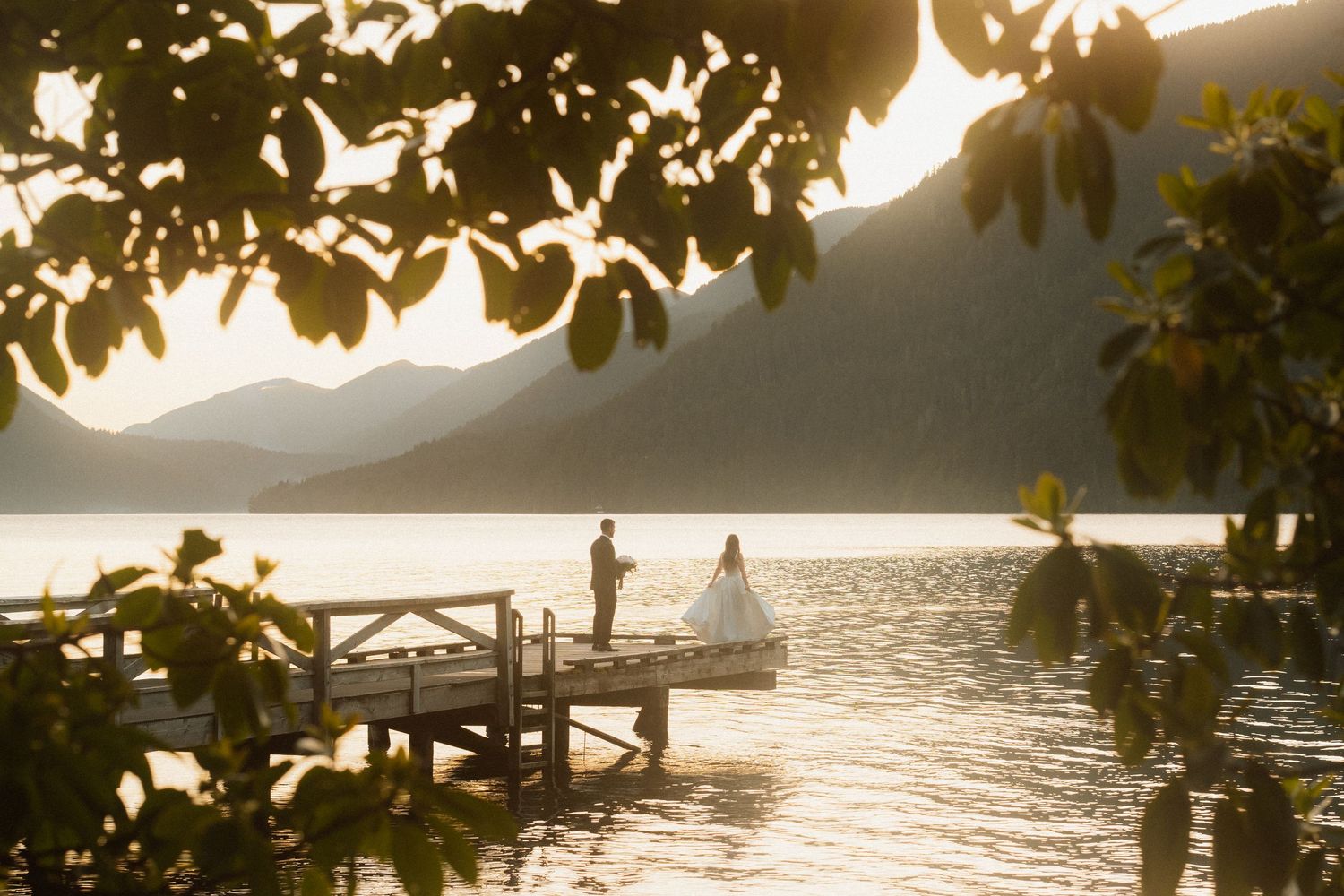
Elopements are meant to feel intentional, natural, and relaxed. I like to think of timelines as guides, not strict schedules. They give us structure without pressure — space to breathe, explore, and stay present. That’s one of the beautiful things about eloping: things can shift at any moment, and it’s completely on your terms.
The main purpose of creating a timeline is to help us figure out what coverage fits your day best. Do you need a half day? A full day? Or a multi day package? A lot of this depends on the moments you want captured and the type of experience you want.
Getting Ready Moments
There are a couple different directions couples go with getting ready:
- You each get ready separately, spending the morning with your own families, closest friends, or simply enjoying a quiet moment alone — and then share a first look before heading to your ceremony spot.
- You get ready together, keeping things intimate, calm, and fully centered around the two of you from the moment the day begins.
Either option is beautiful. What matters is choosing what feels most like you. Not all couples feel the need to have me present for these moments, but if you choose to have me, I would love to be there.
Travel & Locations
Another important piece to consider is how many locations you want to explore throughout the experience and how far apart they are. Some locations are quick to reach, others require more time. The timeline helps us make the day flow naturally based on the scenery you want and the experience you’re dreaming of.
Different Energies, Different Days
No two elopements look the same. Some couples want a slow morning and a sunset ceremony. Others want a full-day or multi-day adventure with multiple landscapes, activities, or quiet moments built in. I am happy to share a few sample timelines with different energies to help you visualize what your day could look like — but remember:
You truly can do whatever you want.
This is your day, your pace, your experience.
Chapter Three:
Choosing a Location
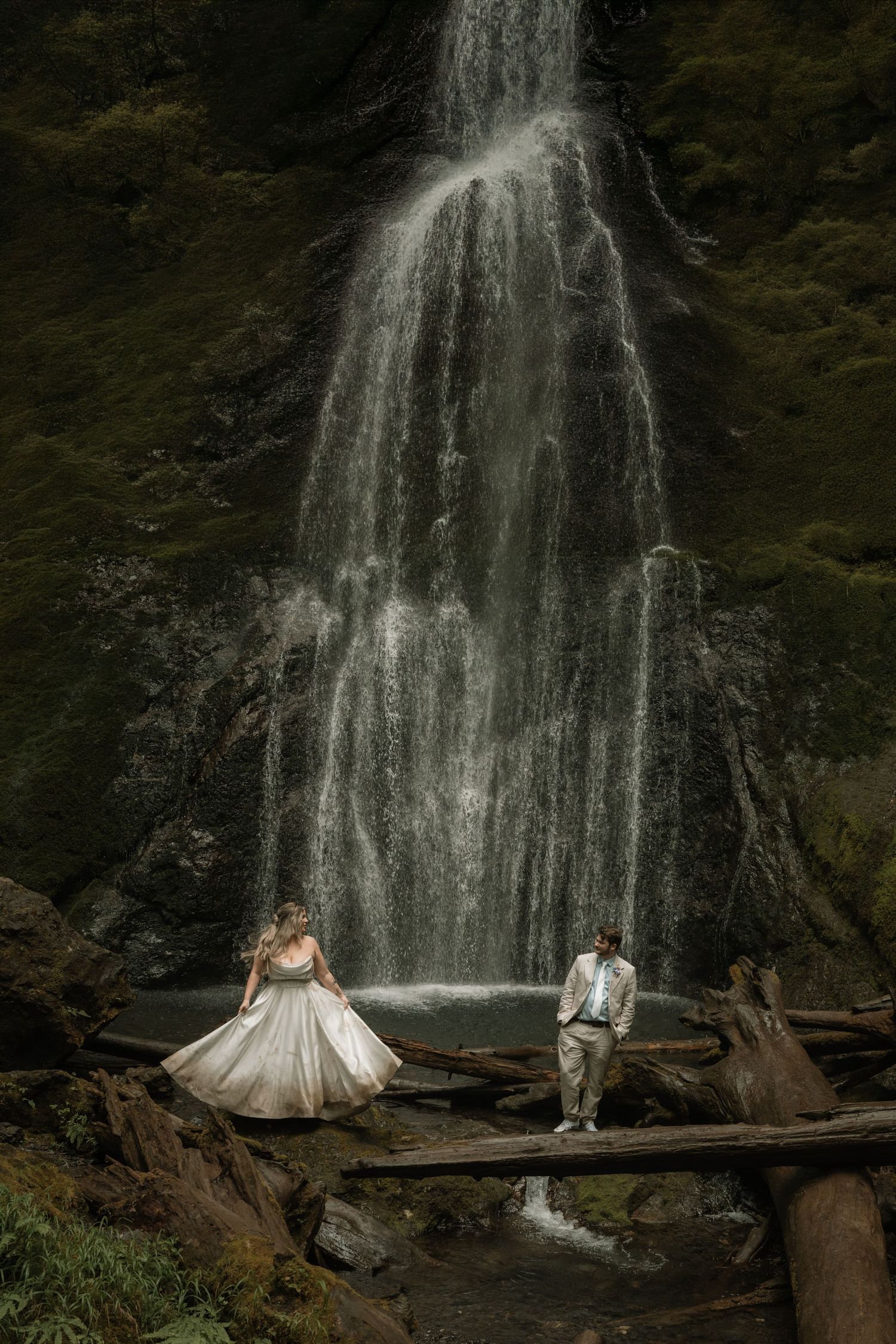
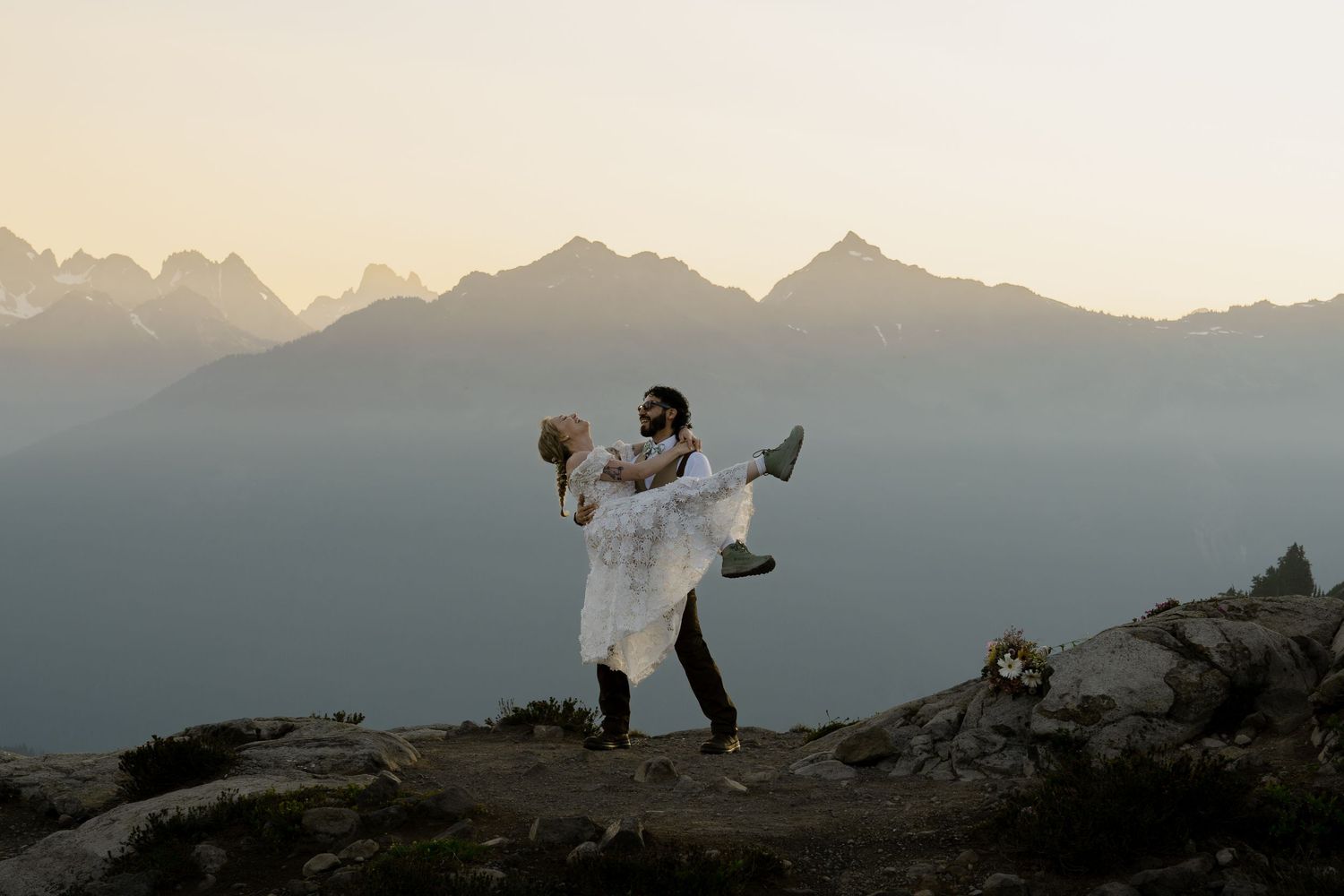
The Pacific Northwest is a dreamland for couples who crave beauty, adventure, and a wedding day that feels intimate and intentional. With dramatic coastlines, misty rainforests, alpine ridges, and crystal-clear lakes, this region gives you the freedom to choose a landscape that feels like the two of you.
Before you settle on your perfect spot (or combination of spots), here are a few things to think through so your day feels effortless, safe, and full of magic.
Hiking & Accessibility
Some locations allow you to drive right up to unbelievable views with only a short walk. Others require a hike — sometimes a half mile, sometimes three. It’s important to consider not only your own comfort and abilities, but also the abilities of anyone you want present at your ceremony.
If you’re unsure a family member can handle the terrain, it’s best to choose an easier-access ceremony spot. We can always do a hike afterward for those epic couple portraits — just the two of you. And if you’re not used to elevation, uneven terrain, or hiking in a wedding dress with gear, don’t worry — there are plenty of breathtaking, low-effort locations that don’t require strenuous hiking.
Distance Between Locations
If your elopement includes multiple spots, expect to spend a little time driving. Some areas of the PNW are spread out, and roads can be winding. I’ll help you choose realistic combinations that maximize time exploring and minimize time in the car.
Weather & Seasonal Conditions
Weather in the PNW has a mind of its own — and it’s part of the charm.
Still, it helps to know what to expect:
- Mount Rainier is snow-covered for much of the year.
- The rainforest is almost always misty and damp.
- Coastal tides shift quickly and dramatically.
Choosing a location and season that reflect your ideal environment makes the day smoother, even if nature throws her surprises at us.
Backup Plans (Because the Wild Is… Wild)
The PNW is rugged and unpredictable — storms, washed-out roads, mudslides, sudden closures, or early snow are all part of the adventure. Because of that, we’ll always have backup locations on deck. Thankfully, this region is packed with gorgeous alternatives, so even Plan B feels like a dream.
Chapter Four:
Permitting
For many adventure sessions—especially those taking place in national parks, state parks, or protected lands—a photography permit is required. Not every location needs one, but most of the time, if we’re shooting in a state or national park, we’ll need to apply in advance.
Why We Need a Permit
Permits allow parks to manage visitors, protect natural areas, and ensure photographers follow park guidelines. They also help us avoid fines or being stopped mid-session. Each park has its own rules, but most require a permit for:
- Sessions taking place on trails or within protected zones
- Any professional or paid photography
- Small elopements or intimate ceremonies
- Locations with high traffic or sensitive environments
Timing & Application Process
Applying early is extremely important.
Many parks are understaffed, and response times can be slow—sometimes up to a few months. Because of that, I always recommend starting the permit process as soon as we choose your location.
The good news is: the application itself is simple.
Even if you don’t know all the details, that’s okay. I’ll walk you through every step, explain what the park is looking for, and help you fill in anything you’re unsure about.
My Role in the Process
I’ll always:
- Let you know if your chosen location requires a permit
- Guide you through the application
- Help gather any details or documents needed
- Communicate with the park if clarifications are required
You are never handling this alone—I’m here to make the process quick and stress-free.
What to Expect After Applying
Once submitted, the park will review your request. Processing times vary, but typically:
- Some parks respond within a couple of weeks
- Others may take a month or more, depending on volume and staffing
- A small permit fee is usually due upon approval
I’ll keep an eye on the timeline and make sure we stay on track so everything is finalized well before your session date.
Chapter Five:
Tips & Tricks for Your Elopement
Elopements are intimate, beautiful, and adventurous — but there are a few things you might not think about that can make your day flow smoothly. Here are some tips and tricks I’ve learned from years of photographing couples in the PNW.
1. Having an Officiant
Having an officiant can make your elopement feel complete and stress-free. I am ordained and able to sign your marriage license, but performing the ceremony myself can be tricky if you want a full ceremony. For a more traditional or ceremonial feel, I recommend hiring a professional officiant — and I can help you find someone wonderful.
If you prefer, a close friend or loved one can officiate, which creates an intimate and personal experience. And if you’re planning to simply exchange your vows to one another, I’ll happily sign the license afterward with you, even if no family is present.
2. Tailor Your Dress
It might seem minor, but a well-tailored dress makes a world of difference when moving across uneven terrain, hiking, or simply walking through the forest. Skipping this step can lead to frustration or discomfort — a hem that’s too long or a dress that’s too heavy can get in the way of enjoying your adventure. Take the extra time to make sure your dress fits just right.
3. Rain Gear
The PNW is famously wet, especially in fall and winter. Bringing rain gear is essential. Rain boots, a waterproof coat or poncho, and even a spare set of clothes for after the ceremony can keep you comfortable and happy. Staying dry makes it easy to enjoy the moment without worrying about soggy shoes or damp dresses.
4. Your Vehicle
Your car will show up in your elopement photos, so it’s worth considering how it fits your aesthetic. If you’re renting a car, I highly recommend using Turo — it lets you choose the exact vehicle rather than being handed whatever the rental company has. If your own car makes sense for the day, that’s perfect too — it’s yours, it’s personal, and it will feel natural in the photos.
Even small details like your vehicle, boots, or accessories can subtly elevate your day and photos, without adding stress.
One Final Note:
Protecting Your Memories
Your elopement may be intimate, but it is every bit as meaningful and important as a traditional wedding day. The moments you experience—the vows you exchange, the tears, the laughter, and the quiet in-between moments—are completely irreplaceable. Because of this, protecting your images is one of my highest priorities.
Every professional photographer should have a comprehensive backup process in place long before your gallery is delivered. From the moment your images are captured, they are stored in multiple locations to minimize the risk of data loss and ensure your memories remain safe throughout the editing and delivery process.
On your elopement day, I also carry multiple professional camera bodies and backup equipment. My primary cameras feature dual memory card slots, which allow every image to be recorded simultaneously to two separate memory cards. This provides an added layer of protection should a memory card ever fail. In addition, I always bring backup camera bodies, lenses, batteries, and lighting equipment to ensure your day can continue seamlessly in the unlikely event of an equipment malfunction.
My current professional equipment includes two Nikon Z7II camera bodies, a Nikon D780 backup camera, Nikon Z 35mm f/1.2 and Nikon Z 50mm f/1.2 prime lenses, a Nikon Z 24-70mm f/2.8 lens, and a Godox V1 Pro flash system. By investing in professional-grade equipment and maintaining a thorough backup workflow, I can focus on documenting your day with confidence while you focus on being fully present in the experience.
Editorial & Fine Art Photography
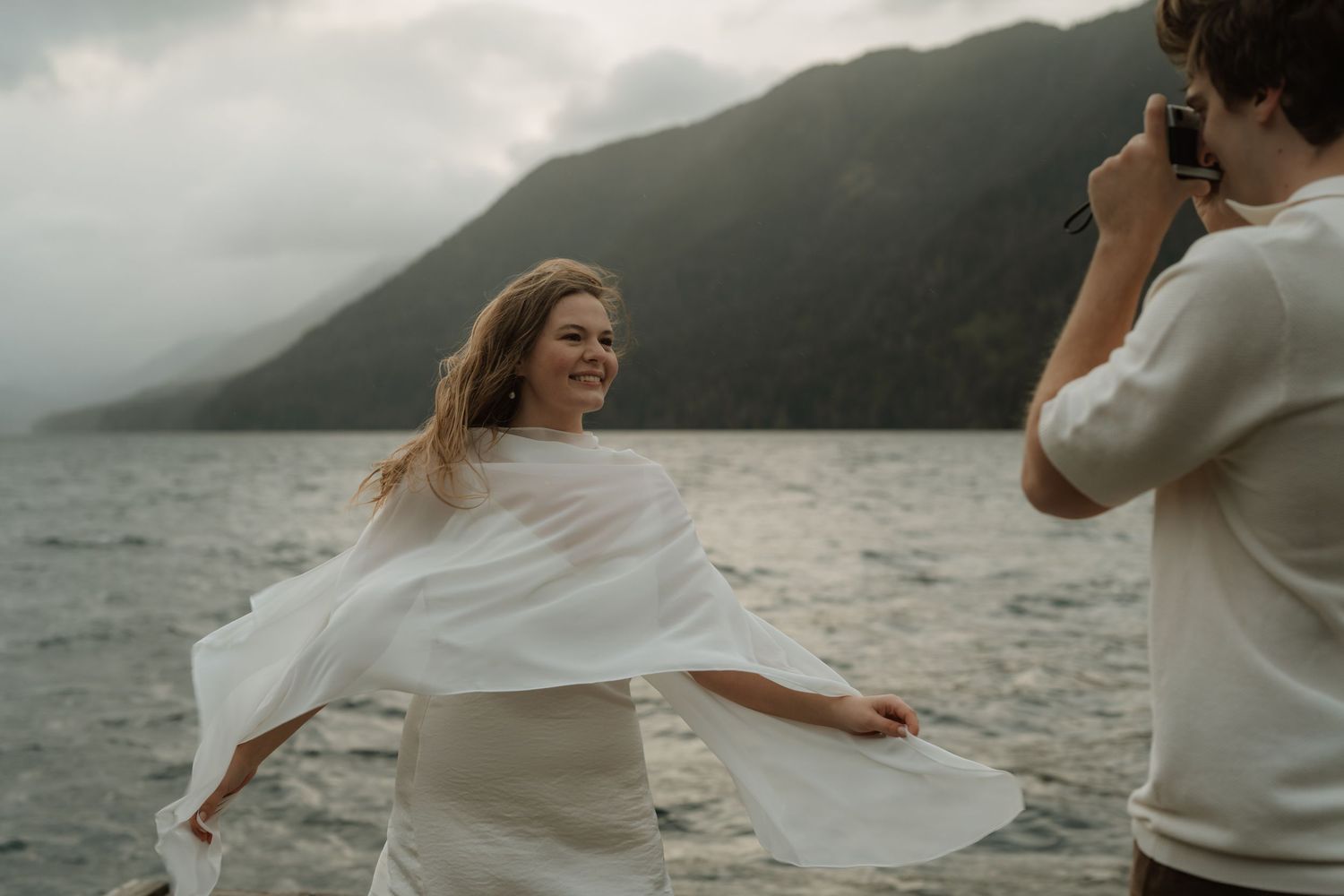
Thank you for choosing me. It is an honor to be a part of your day.
My belief is that every person should be framed in the moments they’ve felt the most loved and cared for.